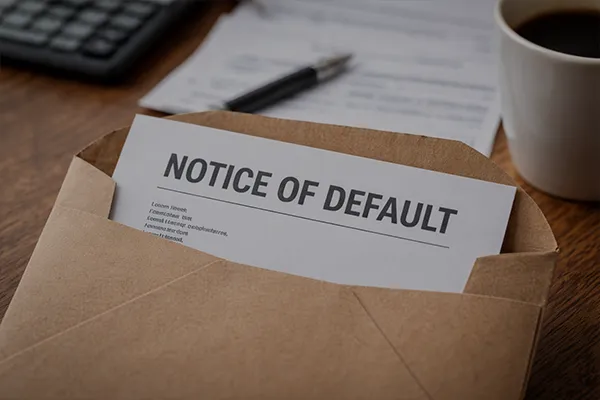
What Is a Notice of Default? What Homeowners Should Know
Receiving a notice of default can be alarming. Many homeowners are unsure what the document means or what happens next in the foreclosure process.
A notice of default is typically one of the first formal legal steps lenders take when a mortgage has fallen significantly behind on payments. While it signals that the situation has become serious, it does not necessarily mean the homeowner will immediately lose the property.
Understanding what a notice of default means and what options may still exist can help homeowners make informed decisions during a difficult situation.
What Is a Notice of Default?
A notice of default (NOD) is a legal document filed by a lender indicating that a borrower has failed to meet the terms of their mortgage agreement.
This usually happens after the homeowner has missed several mortgage payments and the lender has attempted to collect the overdue balance.
The notice informs the homeowner that:
the mortgage is in default
the amount owed must be brought current
foreclosure may begin if the debt is not resolved
The exact process varies depending on state foreclosure laws.
Why Lenders Issue a Notice of Default
Lenders typically issue a notice of default after multiple missed payments.
Before reaching this stage, homeowners usually receive:
late payment notices
collection letters
phone calls from the lender
If the mortgage remains unpaid, the lender may move forward with the formal default process.
In many situations, this occurs after 90 days or more of missed mortgage payments.
If you're unsure how missed payments progress toward foreclosure, you may want to read our guide explaining what happens after a missed mortgage payment.
When a Notice of Default Is Filed
The timing of a notice of default varies depending on the lender and state law, but it generally occurs after several months of delinquent payments.
Once the notice is issued, it becomes part of the public record in many jurisdictions.
At this stage, the foreclosure process may begin moving forward unless the homeowner resolves the outstanding debt.
What Happens After a Notice of Default?
After a notice of default is issued, the lender may begin preparing for foreclosure if the loan remains unresolved.
Depending on the state, the process may include:
additional legal notices
a waiting period
scheduling of a foreclosure auction
However, many homeowners are surprised to learn that foreclosure does not happen immediately after a notice of default.
There is often still time to explore possible solutions.
Can Foreclosure Be Stopped After a Notice of Default?
In many cases, foreclosure may still be stopped or resolved after a notice of default has been issued.
Homeowners sometimes explore options such as:
repayment plans with the lender
loan modifications
selling the property before foreclosure
other solutions depending on the situation
If you want to understand the full range of possibilities homeowners sometimes consider, you may find our guide on how to stop foreclosure helpful.
Homeowners can also seek guidance from HUD-approved housing counselors, who provide free advice and resources for foreclosure prevention.
Options Homeowners May Still Have
Even after receiving a notice of default, homeowners may still have several paths available depending on their circumstances.
Some homeowners work with their lender to bring the loan current, while others explore selling the property before foreclosure occurs.
In certain situations, homeowners facing financial hardship also explore solutions such as loan modifications or bankruptcy protections depending on their financial situation.
The best approach often depends on the homeowner’s timeline, financial position, and long-term goals.
Why Understanding the Timeline Matters
One of the most common challenges homeowners face is not understanding how the foreclosure timeline works.
Because foreclosure often progresses through several stages, taking action early can sometimes provide more flexibility in resolving the situation.
Even when the situation feels urgent, understanding the available options can help homeowners make more informed decisions about their property.
Frequently Asked Questions
Is a notice of default the same as foreclosure?
No. A notice of default is typically an early legal step in the foreclosure process. It indicates the mortgage is in serious delinquency, but foreclosure may not happen immediately.
How long after a notice of default before foreclosure?
The timeline varies depending on state laws and lender procedures. In some cases, the foreclosure process may take several months after a notice of default is issued.
Can you sell your home after receiving a notice of default?
In many situations, homeowners may still sell their property after receiving a notice of default as long as the foreclosure auction has not yet taken place.
Final Thoughts
Receiving a notice of default can be stressful, but it does not automatically mean the home will be lost to foreclosure.
The key is understanding what the notice means, how much time may be available, and which options are realistic based on the homeowner’s situation. Acting early may create more room to work with the lender, explore a sale, or consider other solutions before the process moves further along.
If you would like to discuss your situation privately and understand what options may be available, you can call or text RDestiny Real Estate Investing at (508) 715-9052 for Massachusetts or (419) 930-6537 for Ohio for a confidential conversation.
About the Author
Keith Ware is a real estate investor and foreclosure solutions specialist with RDestiny REI. He works with homeowners navigating difficult real estate situations, including foreclosure, probate properties, and distressed real estate challenges.